

Creating a World Beyond Celiac
We envision a world where all people with celiac disease are free to live full, healthy lives—and we’re funding the research to make it happen.
There are multiple pathways on the horizon for drug research, discovery and development. We know that the first need in achieving a cure for celiac disease is adequate funding. The second, related need is equally important: we need to maintain our focus on research that is practical and patient-centric. We have designed our scientific plan accordingly.
As a lean organization, we carefully target our efforts to advocate for and accelerate the best ideas in celiac disease research. We steward carefully the money you entrust to us, supporting the approaches that are most promising for patients, as we work towards a cure.
Grants at a Glance
As of November 2026, Beyond Celiac has awarded 15 grants since 2019. Our research funding primarily supports either innovative, high-potential discovery areas or the best and the brightest established investigators.
Learn more about the research projects we’re currently funding.
Grants, Past and Present
There are no open grants at this time. Check back later!
There are no pending grants, currently.
The ISSCD-Beyond Celiac Translational Research Award was granted to Dr. Jason Tye-Din, MBBS, FRACP, PhD of the Walter and Eliza Hall Institute of Medical Research in Victoria, Australia. Read more.
Innovative Research Grants: High-Potential Discovery Areas
We will provide grants to help scientists collect the preliminary data needed to begin answering major questions around celiac disease that could lead to breakthroughs for larger-scale research or clinical trials.

The 2025 Beyond Celiac Early Career Grant Award granted $200,000 to Mandeep Singh, PhD (University of Sydney), to study mutant T cells in non-responsive celiac disease. This study is ongoing and is scheduled to finish in 2027.
What’s Known
Up to 30% of people with celiac continue to have symptoms and gut damage, despite strictly avoiding gluten. These cases, known as non-responsive celiac disease (NRCD) are difficult to diagnose and treat.
What We Hope to Learn
By comparing gut samples from people who respond well to a gluten-free diet to those who don’t, the team hopes to identify how common mutated cells are, and whether acquired DNA mutations in certain immune cells might cause NRCD.
Why This Matters
This research may reveal targets for early detection tests and treatments for people with NRCD, who cannot rely on the gluten-free diet.

The 2024 Beyond Celiac and SSCD Early Career Investigator Award granted $180,000 to Shayna Coburn, PhD, of Children’s National Hospital (Washington, DC), to study a behavioral intervention of integrating gluten immunogenic peptide testing in teenagers with celiac disease.
Goal
When a child with celiac disease becomes a teenager, there is often a transition from parental control of the gluten-free diet to the teen’s own responsibility for keeping themselves healthy.
Findings
Tactics to improve patient outcomes; specifically, researchers are investigating how using at-home urine tests for gluten and participating in a virtual support program affect the emotions and behaviors of teenagers with celiac disease.
Outcomes
Teenagers are a vulnerable population who may need special support to ensure good health.

In 2023, a Research Accelerator award of $350,000 was granted to Shalev Itzkovitz, PhD, at the Weizmann Institute of Science (Rehovot, Israel) in collaboration with the Schneider Children’s Medical Center (Petah Tikva, Israel). He and his team studied shed cell transcriptomics for the identification of celiac disease dynamics.
Goal
Develop new biomarkers (indicators) to: diagnose and monitor celiac without biopsies; distinguish it from gluten sensitivity; and speed up clinical trials for new therapies.
Findings
Using transcriptomics, a technique to study RNA molecules in a group of cells, the team investigated intestinal cells shed in stool to develop new biomarkers for celiac disease.
Outcomes
Secured a biomedical research grant of $600,000 over 4 years from MAVRI in Israel to continue the work. The researchers received a US provisional patent for a new biomarker test.

In 2023, a Research Accelerator Award of $175,000 was granted to Michael Fitzpatrick, MRCP, DPhil, (a previous Beyond Celiac awardee) at University of Oxford (Oxford, UK), to study novel biomarkers of mucosal damage for non-invasive diagnosis and monitoring of celiac disease.
Goal
Identify a non-invasive way to monitor intestinal damage and immune activation in celiac disease as an alternative to repeated endoscopies with biopsies.
Findings
Comparisons of protein patterns of cells in the intestinal lining and blood in active celiac and healthy controls point to a way to assess immune activation in the gut through the analysis of immune cells in blood. Read more about the research.
Outcomes
The technique the researchers developed offers an unbiased way to measure protein levels in different tissue types for biomarker discovery. The study also developed the largest, highest-resolution proteomics dataset in celiac disease.

The 2022 Beyond Celiac and SSCD Early Career Investigator Award granted $180,000 to Arnold Han, MD, PhD, of Columbia University to investigate the role of CD8 T cells in celiac disease.
Goal
Understand the roles that different types of T cells have in producing intestinal damage in celiac disease, including what activates CD8 T cells.
Findings
How CD8 T cells, a type of white cell, contribute to the abnormal immune response in celiac disease. Dr. Han’s study pioneered the use of a new research model, organoids, mini-organs grown in a petri dish from the intestinal cells of celiac patients. Listen to him discuss his research.
Outcomes
Received NIH funding to continue the research. Insights could help in the development of innovative treatments.

The 2019 Beyond Celiac and SSCD Early Career Investigator Award awarded $150,000 to Marisa Gallant Stahl, MD, over two years for a study to evaluate the impact of celiac disease on the health and quality of life of children who are identified through a mass screening program at Children’s Hospital Colorado.
Goal
Evaluate how being diagnosed with celiac disease through mass screening and starting a gluten-free diet affects children to determine if there is evidence to support broad testing in the general population.
Findings
Evidence that symptoms, iron levels, and quality of life improved for children diagnosed with celiac through random screening. Listen to her talk about her research.
Outcomes
This study, the first of its kind in North America, is laying the foundation for changing U.S. screening guidelines to include recommendations to screen all children for celiac disease.
Established Investigator Grants: Best and Brightest
The historic lack of funding in celiac disease has resulted in a limited number of researchers currently studying the disease. This grant encourages the most successful scientists to continue to study celiac disease or, if working in a related field, turn their focus to celiac disease, helping to keep top scientists committed to long-term celiac disease research. Over time, these grants will lead to more researchers dedicating their careers to studying celiac disease and to finding better treatments and a cure.

The 2026 International Society for the Study of Celiac Disease-Beyond Celiac Translational Research Award of $300,000 was Jason Tye-Din, MBBS, FRACP, PhD of the Walter and Eliza Hall Institute of Medical Research in Victoria, Australia, to study the feasibility of two celiac disease diagnostic tests in children. This is three-year grant.
What’s Known
Accurate celiac disease testing requires someone to continue to eat gluten throughout the testing process. The gold standard of diagnosis is an upper endoscopy with biopsies of the small intestine, an invasive procedure that usually requires anesthesia.
What We Hope to Learn
The team is evaluating the feasibility and acceptability of two less invasive tests—one a saliva test and one that doesn’t require gluten-consumption—in the pediatric population. These tests have previously shown promising results in adults.
Why This Matters
If successful, these tests could open a pathway to diagnose those who are already gluten-free and set the stage for mass screening, as well as testing in non-clinic settings, such as schools and community centers. Ultimately, it could reduce misdiagnosis and delays in diagnosis.

The 2026 AGA-Beyond Celiac Pilot Research Award in Celiac Disease was awarded to Kathryn Hamilton, PhD, at the Children’s Hospital of Philadelphia (PA, USA), to decipher cell interactions driving inflammatory epithelial cell states. This study is ongoing and is expected to finish in 2027.
What’s Known
The gut is lined with cells that protect the body. Some of these are stem cells, which make more cells. However, these cells don’t work the same in patients with celiac as in healthy people.
What We Hope to Learn
How and why stem cells behave differently in people with celiac disease. The team also plans to make an organoid, a mini-model of the intestine, so future researchers can test how certain changes may affect someone with celiac disease.
Why This Matters
To identify the best treatment targets, we must understand how the disease fundamentally works by studying core processes.
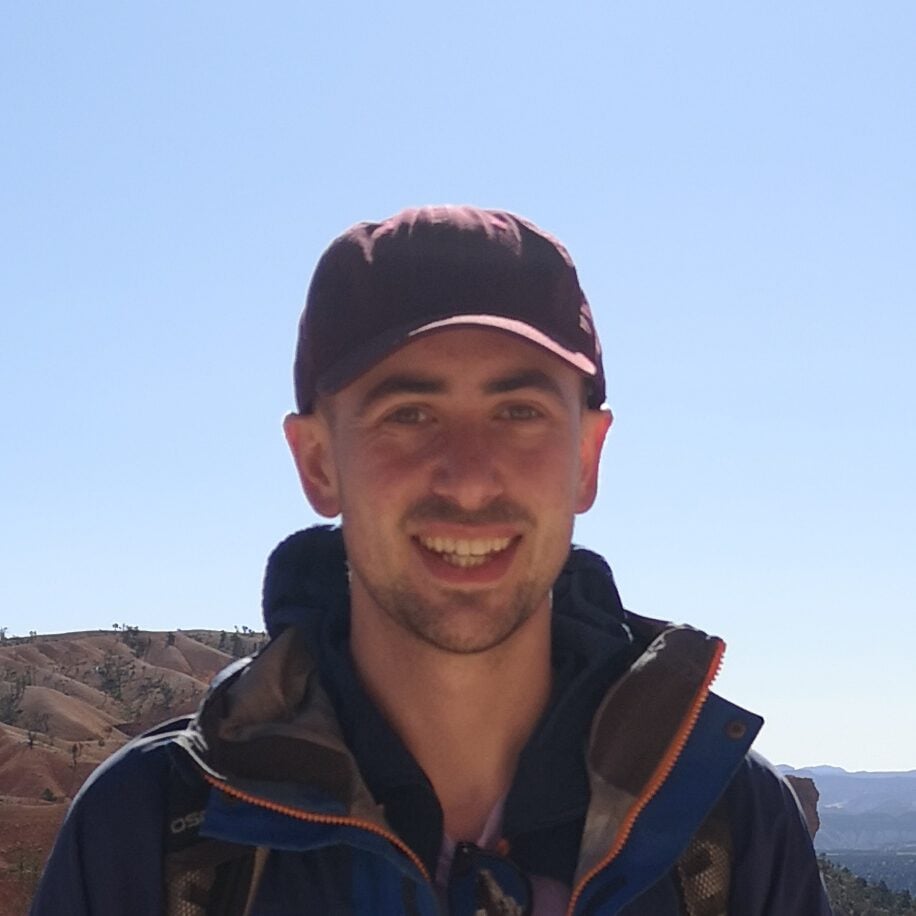
The 2025 Beyond Celiac Established Investigator Award granted $202,000 awarded to Nigel Hoggard, MD, and Iain Croall, PhD, at the University of Sheffield (Sheffield, UK), to continue research into neurological symptoms of celiac disease and other gluten-related disorders. The team was previously awarded a Beyond Celiac grant in 2021. This study is ongoing and is scheduled to finish in 2028.
What’s Known
Gluten-related disorders can cause serious neurological problems, including brain injury. Research funded by Beyond Celiac showed TG6 testing can identify people at risk of gluten-related neurological problems.
What We Hope to Learn
How frequently patients with “classic” celiac disease test positive for TG6; how the gluten-free diet adherence affects mood; continued monitoring of TG6 status, cognitive function, and overall wellbeing to better understand how gluten affects the brain.
Why This Matters
Understanding how and why damage happens allows us to better monitor and, potentially, heal it.

An Established Investigator Award of $300,000 was granted to Rok Seon Choung, MD, PhD, at Mayo Clinic (MN, USA) in collaboration with the Naval Medical Center (MD, USA) and Icahn School of Medicine at Mount Sinai (NY, USA), to study predictors of progressive phenotypes of celiac disease.
Goal
Assess the immune system reactions that occur before celiac disease symptoms develop.
Findings
The team analyzed blood samples from US military personnel using proteomics, the large-scale study of proteins, to evaluate changes over time to the early development of antibodies and other markers during the pre-celiac disease state.
Outcomes
This research may help identify early celiac disease predictors and potential prevention strategies. The team secured a $2 million grant from the US Department of Defense to continue their work.

An Established Investigator Award of $300,000 was granted to Sónia Gonçalves Pereira, PhD, at the Instituto Politécnico de Leiria (Leiria, Portugal), in collaboration with the Celiac Disease Research Center at Tampere University (Tampere, Finland), to study mechanisms of gluten-microbiota interactions in celiac disease.
What’s Known
Only a small percentage of people with the gene for celiac disease develop it. Among those who do develop celiac disease, some continue to have symptoms even on a gluten-free diet.
What We Hope to Learn
How gluten interacts with gut bacteria and whether it impacts celiac disease development. The team has already published some findings, which include how dietary factors influence microbial profiles and disease development and progression.
Why This Matters
Many patients need better help now; refining their diet could improve disease management and quality of life.

An Established Investigator Award of $300,000 was granted to Kati Juuti-Uusitalo, PhD, at Tampere University (Tampere, Finland), to create a preclinical 2D celiac patient-based iPSC-small intestinal epithelial in vitro model.
What’s Known
Studying disease progression often requires the participation of patients, most of whom are already ill or have organ damage. Some researchers created organoids, mini-organs, to study diseases.
What We Hope to Learn
How to create a special organoid model, a miniature organ grown in a lab, that mimics the intestines of people with celiac disease.
Why This Matters
An organoid could overcome some limitations of studying celiac disease in the guts of study participants, allowing scientists to study celiac disease more efficiently, quickly, and with less burden on human patients.
The 2021 Beyond Celiac Established Investigator Award granted $209,000 awarded to Nigel Hoggard, MD, and Iain Croall, PhD, at Sheffield University (Sheffield, UK) to expand investigation of the neurological and neuropsychological manifestations of celiac disease and gluten-related disorders.
Read their previously published research, which found evidence of white matter changes in the brain after gluten exposure, or listen to Iain’s presentation.
Goal
Identify the best way to diagnose and monitor patients with gluten-related disorders who have neurological and psychological complications.
Findings
TG6 testing, which isn’t widely available, could identify patients at risk of accelerated brain atrophy and poor physical and mental health. The gluten-free diet appeared to lower TG6 antibodies in those with gluten-responsive neurological problems.
Outcomes
Findings led to a publication in Annals of Neurology, the official journal of the American Neurological Association, and a 2025 Beyond Celiac grant to continue the researchers’ pioneering research.
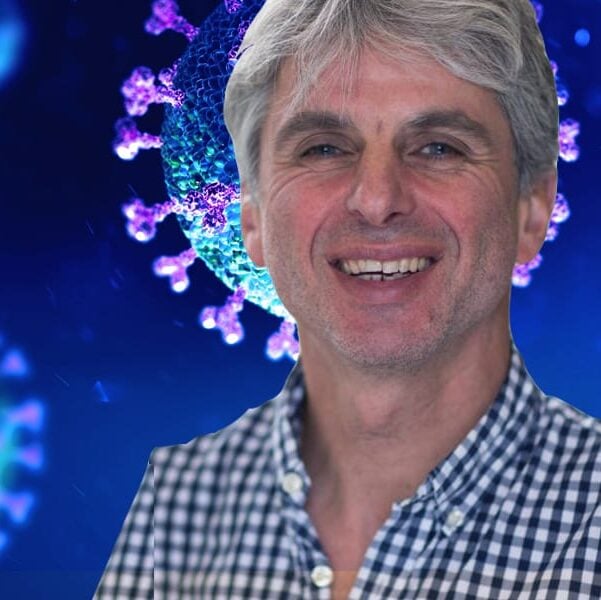
The 2019 Beyond Celiac Established Investigator Award granted $300,000 to Paul Klenerman, MD, and Michael Fitzpatrick, MRCP, DPhil, at Oxford University (Oxford, UK) to study killer CD8 T cells in the inner gut lining. The role of another type of T cell, the CD4 T cell, has been more thoroughly studied and scientists know it responds to gluten and plays a key role in celiac disease.
Goal
Investigate the role CD8+ T cells play in driving inflammation and tissue damage through gene sequencing methods.
Findings
A specific CD8+ T cell is expanded and multiplying in active celiac disease and may be the culprit of gut damage. Ongoing symptoms despite a GF diet may be caused by immune “scarring” from gut changes. Read more about the research.
Outcomes
By showing in detail how the different components of the gut respond together in celiac disease, the study offers new targets for therapy and potentially a cure. The research team published their findings in Nature Immunology and received a 2023 Research Accelerator grant.

The 2019 Beyond Celiac Pilot and Feasibility Award granted $120,000 to Jocelyn Silvester, MD, whose study sequenced RNA from a series of biopsies collected during an earlier gluten-challenge study. Silvester then checked the accuracy of the sequencing method on biopsies previously taken for diagnosis and follow-up on another group of patients, and compared biopsies taken when gluten was in the diet to those taken after a gluten-free diet was being followed.
Learn more about research
To learn about the latest celiac disease research news, check out our research news feed. You can also subscribe to our research newsletter to get updates about celiac disease research—from Beyond Celiac and other top organizations—dropped directly into your inbox.
Interviews with our grantees



Make a Difference
Want to support this life-changing work? Support Beyond Celiac today!
Choose an amount to give:
Choose an amount to give: