
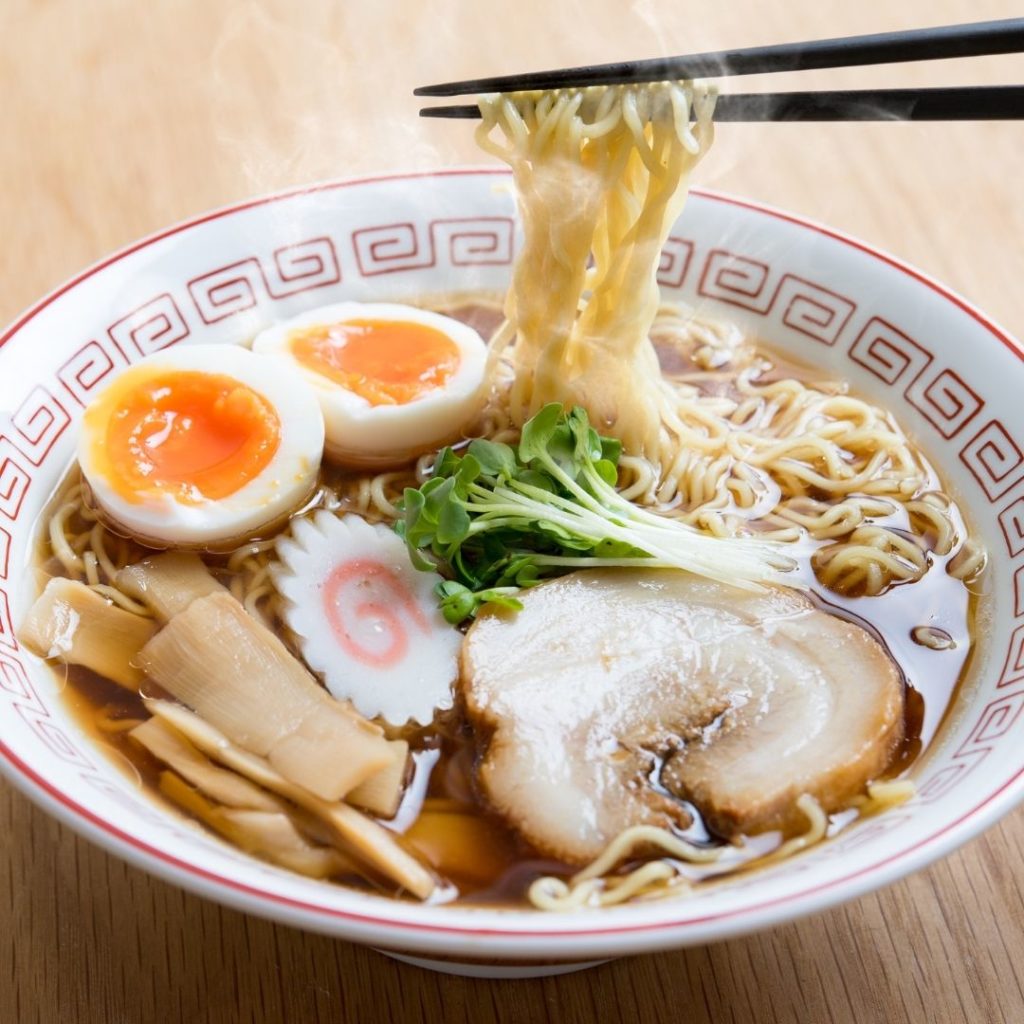
Are Ramen Noodles Gluten-Free?
No, traditional ramen noodles are not gluten-free. They are made from wheat flour, which contains gluten and is not safe for people with celiac disease or non-celiac gluten sensitivity.
The good news: gluten-free ramen noodles exist, and they are more widely available than they used to be. Brands now make ramen noodles from rice flour, potato starch, millet, and other gluten-free flours. With the right noodles and a few careful swaps, you can enjoy a safe, satisfying bowl of ramen at home.
What is Ramen?
Ramen is a Japanese noodle dish made with wheat noodles served in a savory broth. Common toppings include soft-boiled eggs, pork, seaweed, mushrooms, fish cakes, and green onions. The broth is typically flavored with soy sauce (which is not gluten-free), miso, or salt, and can vary widely by region and recipe.
Because both the noodles and the broth can contain gluten, people with celiac disease need to be careful about every component of the dish.
Is Ramen Broth Gluten-Free?
Not always. Traditional ramen broth is often flavored with soy sauce, which is typically made with wheat. Some broths also contain miso paste, which may or may not be gluten-free depending on the brand and how it was made.
If you are making ramen at home, use a certified gluten-free soy sauce or tamari in place of regular soy sauce. Check any miso paste you use as well, since ingredients and manufacturing processes vary by brand. When eating ramen at a restaurant, ask specifically about the broth ingredients and whether the kitchen uses shared equipment or cooking surfaces.
Gluten-Free Ramen Noodle Brands: What to Look For
Several brands now make gluten-free ramen noodles, and availability has grown in recent years. You may find options in the international or global foods aisle at your grocery store, at specialty food retailers, or online.
When shopping, look for noodles that are certified gluten-free. Certification means the product has been tested by a third party and verified to contain less than 20 parts per million (ppm) of gluten, which is the threshold recognized as safe for most people with celiac disease. A product that simply does not list gluten-containing ingredients is not the same as a certified gluten-free product. Cross-contact during manufacturing can introduce gluten even when it is not an intentional ingredient.
Common base ingredients to look for in gluten-free ramen noodles include:
- Rice flour
- Potato starch
- Millet flour
- Tapioca starch
- Buckwheat (note: buckwheat is naturally gluten-free)
Always read the label carefully before purchasing, and look for a certified gluten-free seal.
Make Gluten-Free Ramen at Home
Once you have your certified gluten-free noodles and a safe broth, ramen is a surprisingly approachable dish to make at home. This Miso Veggie Ramen Bowl is a good place to start. It is a rich, umami-forward broth built on miso paste, sesame oil, garlic, and ginger, loaded with shiitake mushrooms and bok choy, and finished with a soft-boiled egg and sesame seeds.
Looking for something to serve alongside it? This Crunchy Cabbage Slaw pairs well with the warm, savory notes of ramen. It is bright and fresh, with shredded cabbage, toasted nuts, green onions, and a tangy vinegar-based dressing that cuts through the richness of the broth. As with any recipe, check every packaged ingredient for a gluten-free label before making it.
Tips for Celiac Safe Food Preparation
- Use separate cookware and utensils that have not been used to prepare gluten-containing foods, or wash thoroughly before use.
- Double-check that every packaged ingredient, including noodles, miso, and any sauces are labeled gluten-free.
- If serving to someone with celiac disease, be mindful of cross-contact at every step.
Eating Gluten-Free Ramen at Restaurants
Ordering ramen at a restaurant is more complicated than making it at home. Most ramen restaurants use wheat noodles as their standard, and the broth is often made with soy sauce that contains wheat. Cross-contact is a significant risk in restaurant kitchens, where shared pots, ladles, and cooking surfaces are common.
If you want to try ramen at a restaurant, call ahead and ask about their ingredients and kitchen practices. Some restaurants may be willing to accommodate a gluten-free order, but it is important to ask specific questions rather than assuming a substitution is safe.
Frequently Asked Questions
Are ramen noodles gluten-free?
Traditional ramen noodles are not gluten-free. They are made with wheat flour, which is not safe for people with celiac disease or non-celiac gluten sensitivity. Gluten-free ramen noodles made from rice flour, potato starch, millet, or other gluten-free flours are available at many grocery stores and online. Look for products with a certified gluten-free label to make sure they have been tested and are verified to be safe.
What brands of gluten-free ramen noodles are available?
Gluten-free ramen noodles are increasingly available from newer and established brands, made from rice flour, potato starch, millet, and other gluten-free flours. You can often find them in the international or global foods aisle at your grocery store, at specialty retailers, or online. When evaluating any brand, look for a certified gluten-free seal from a recognized third-party organization rather than relying on the ingredient list alone. A product can be free of gluten-containing ingredients and still pose a risk due to cross-contact during manufacturing.
Is ramen broth gluten-free?
Traditional ramen broth is often not gluten-free. It is usually seasoned with soy sauce, which is typically made with wheat, and sometimes with miso paste, which may also contain gluten depending on the brand. When making ramen at home, use a certified gluten-free soy sauce or tamari and a certified gluten-free miso paste. When eating out, ask specifically about the broth ingredients before ordering.
Can people with celiac disease eat ramen?
People with celiac disease can enjoy ramen made with certified gluten-free noodles and carefully selected ingredients. Traditional restaurant ramen is generally not safe due to wheat-based noodles, soy sauce in the broth, and cross-contact risks in the kitchen. Making ramen at home using certified gluten-free ingredients and clean cookware is the most reliable way to enjoy it safely.