Subscribe
Note from Alice: Report from The International Celiac Disease Symposium
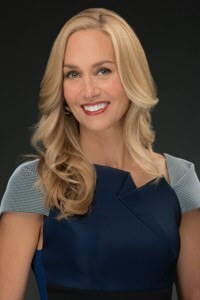
I left the 2019 International Celiac Disease Symposium in Paris last month with renewed optimism that life for celiac disease patients will greatly improve as we end this decade. The symposium, which is held every two years, gathers top scientists working on many aspects of celiac disease, from how it develops, to diagnosis, follow-up and new treatments. The packed meeting halls in Paris vibrated with the discoveries that will one day lead to better health and better quality of life for celiac disease patients. At the same time, I was dismayed that there was inadequate consideration for properly accommodating people who needed safe gluten-free meal options, demonstrating that even in a setting like this, those of us with celiac disease have no choice but to remain ever vigilant.
A lot of the discussion at ICDS was about new treatments being explored around the world. “One of the key topics addressed was the continued progress in unraveling how having celiac disease affects our immune system’s response to gluten,” said Marie Robert, MD, Beyond Celiac chief scientific officer, who also attended ICDS. Eventually, increased understanding of the minute details of this abnormal immune response will translate into new treatments and, ultimately, a cure for celiac disease, Robert noted. This is why the research Beyond Celiac funded earlier this year is focused on investigating the role of T-cells in driving the immune response in celiac disease.
Despite everything research has discovered about tissue transglutaminase (TTG), almost nothing is known about how it activates and changes in those with celiac disease, and the complicated regulation of TTG is fundamental information that will be key in future drug development, according to experts at ICDS. Scientists are also looking at genetics; the role of the microbiome; and infectious triggers of celiac disease.
I was fascinated by discussions about a miniature, living, gut-on-a-chip model of the intestinal barrier in people with celiac disease. This technology could one day help in the study of genes related to celiac disease. It’s a good example of the futuristic work scientists presented at ICDS.
Joseph Murray, MD, a celiac disease expert at the Mayo Clinic and a member of our Scientific Advisory Council, had the tough job of summarizing the hours of scientific research presented over three days. His presentation was outstanding! He noted that nearly 120 genes may have critical functions in celiac disease, of which 23 might be targetable by drugs. It seems the cells that drive the inflammatory reaction that is at the root of symptoms and intestinal damage have what Murray called “a deep memory for gluten.”
The development of a drug or drugs to treat celiac disease is especially pressing when you consider that the prevalence of the condition is rising around the globe, particularly in Asia. Somewhere between 50 and 90 percent of patients remain undiagnosed, one expert said. I agree with his comment that we need to do better in clarifying and reducing that number.
When diagnosed patients are asked about living with celiac disease, they report that “all is not well,” Murray said. Nearly 60 percent say they have missed work because of disease symptoms. Meanwhile, many patients say that they are so vigilant about following the gluten-free diet that it is negatively affecting their mental health. One speaker noted that 70 percent of medical clinics underestimate the impact of celiac disease on quality of life. This may help explain why it was reported that 66 percent of patients are seeking additional treatments for celiac disease. It also highlights the need for more information about life before, during and after diagnosis, and we invite our community to be actively involved by joining Go Beyond Celiac and telling your story.
Celiac disease symptoms outside classic gastrointestinal symptoms are also underestimated in diagnosis, treatment and drug development and by patients themselves. A researcher who worked on the now discontinued ImmusanT Nexvax 2 study said patients are more cognizant of classic symptoms including abdominal pain and diarrhea than symptoms such as nausea.
Overall, the Nexvax2 study showed the immunotherapy was insufficient in preventing the effects of the gluten challenge given in the clinical trial. While the Nexvax2 trial was unsuccessful, researchers talked about what they can learn from its findings as they work to develop immunotherapy that provides protective immunity targeted at pathogenic T-cells while avoiding broad suppression of the immune system. Promising work being done in multiple sclerosis and Graves’ Disease, both also autoimmune conditions, might also apply to celiac disease. Nanoparticles, which are involved in a celiac disease drug being developed by Cour Pharmaceuticals, were described, as a “cargo system” to transport a targeted treatment.
I presented an analysis of a Beyond Celiac study that is a step toward a better understanding of brain fog and other neurocognitive symptoms in celiac disease and how they affect day-to-day life. Other discussion described a “neurological iceberg” with vastly unrecognized celiac disease signaled by neurological symptoms hidden beneath celiac disease diagnosed through classic gastrointestinal symptoms.
The measurement of gluten immunogenic proteins (GIP) in urine holds promise for both patients and researchers in determining how much gluten is getting into the gluten-free diet. Evidence presented at ICDS showed that the amount of gluten in urine correlates with the amount of villi damage found in biopsies, perhaps better than anti-tissue transglutaminase (TTG) measured by blood tests. We are certain to hear more about how this will impact patients and research in the future.
Overall, Murray concluded, there are “wonderful new tools for celiac disease” being developed.
While celiac disease researchers took center stage, celiac disease advocacy groups were also hard at work at ICDS to advance research and improve health and quality of life for patients. Beyond Celiac helped organize a meeting of international advocacy groups to decide how we might best work together on common goals. The Association of European Coeliac Societies hosted the meeting, and Marie Robert, MD, Beyond Celiac chief scientific officer, gave a presentation on the role of biopsy in diagnosis, which is her specialty. Robert also presented two studies at ICDS related to biopsy, both of which provided more evidence that celiac disease patients on a gluten-free diet often continue to have intestinal damage that is not reliably predicted by symptoms or TTG blood test results.
This meeting set the groundwork for important collaboration among advocacy groups worldwide and is one of the reasons I left ICDS with renewed enthusiasm for the work we are doing at Beyond Celiac and recharged energy for achieving our mission Together with our community to unite with patients and partners to drive diagnosis, advance research and accelerate the discovery of new treatments and a cure.
To living life Beyond Celiac together,
Alice Bast

 Trick-or-treating and not sure which candies are gluten-free? Check out our Candy page for what we know about which candies are gluten-free and which aren’t! Or watch our fun and informative video on Halloween candy!
Additionally, we’ll be hosting a live “Celiactoberfest” on our Facebook page this Monday, October 7 at 1 PM ET! Tune in as we try out various gluten-free ciders and pumpkiny treats and discuss gluten-free fall foods!
 A recipe for soft, delicious gluten-free crepes, which can be layered with any sauce or flavoring.
 A slightly sweet Thai soup to warm you through before trick-or-treating.
About Chef Oonagh Williams
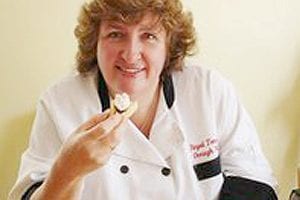 Chef Oonagh Williams holds a culinary arts degree and spends her time cooking and educating the public on gluten-free and allergy-free diets. She herself has celiac disease along with food allergies. When not writing or speaking, she teaches cooking classes, hosts dinner parties, and offers one-on-one help. Buy her Delicious Gluten-Free Cooking e-book and connect with her on her Facebook page.
Research News
Help Build a Brighter Future for Those with Celiac Disease
 Celiac disease researchers in Rochester, MN, need your help to advance new therapies. The researchers are studying whether an investigational drug can protect the small intestine when taken with evening meals after gluten exposure.
Brain Fog Study Presented at International Celiac Disease Symposium
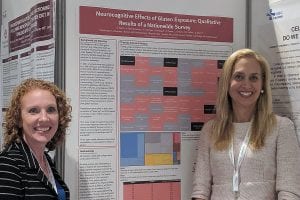
A step toward better understanding of brain fog and other neurocognitive symptoms in celiac disease and how they affect day-to-day life is described in research Beyond Celiac presented today at the 2019 International Celiac Disease Symposium in Paris.
Risk for Celiac Disease Overlooked in Those with No Symptoms
 Many parents, siblings and children of celiac disease patients do not have symptoms or have atypical symptoms, making it unlikely they will be diagnosed even though they are at greater risk of having celiac disease, a recent Mayo Clinic study found.
Extra Half Slice of Bread a Day May Increase Chance of Celiac Disease in At-risk Children
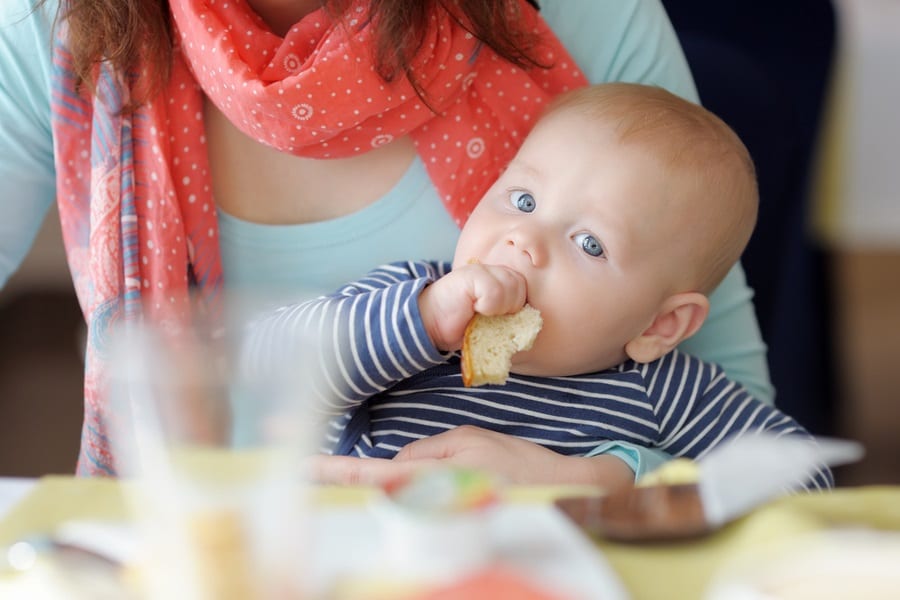
At-risk children who eat higher amounts of gluten before they are five years old have an increased chance of developing celiac disease, according to a new international study.
News, Events & Updates
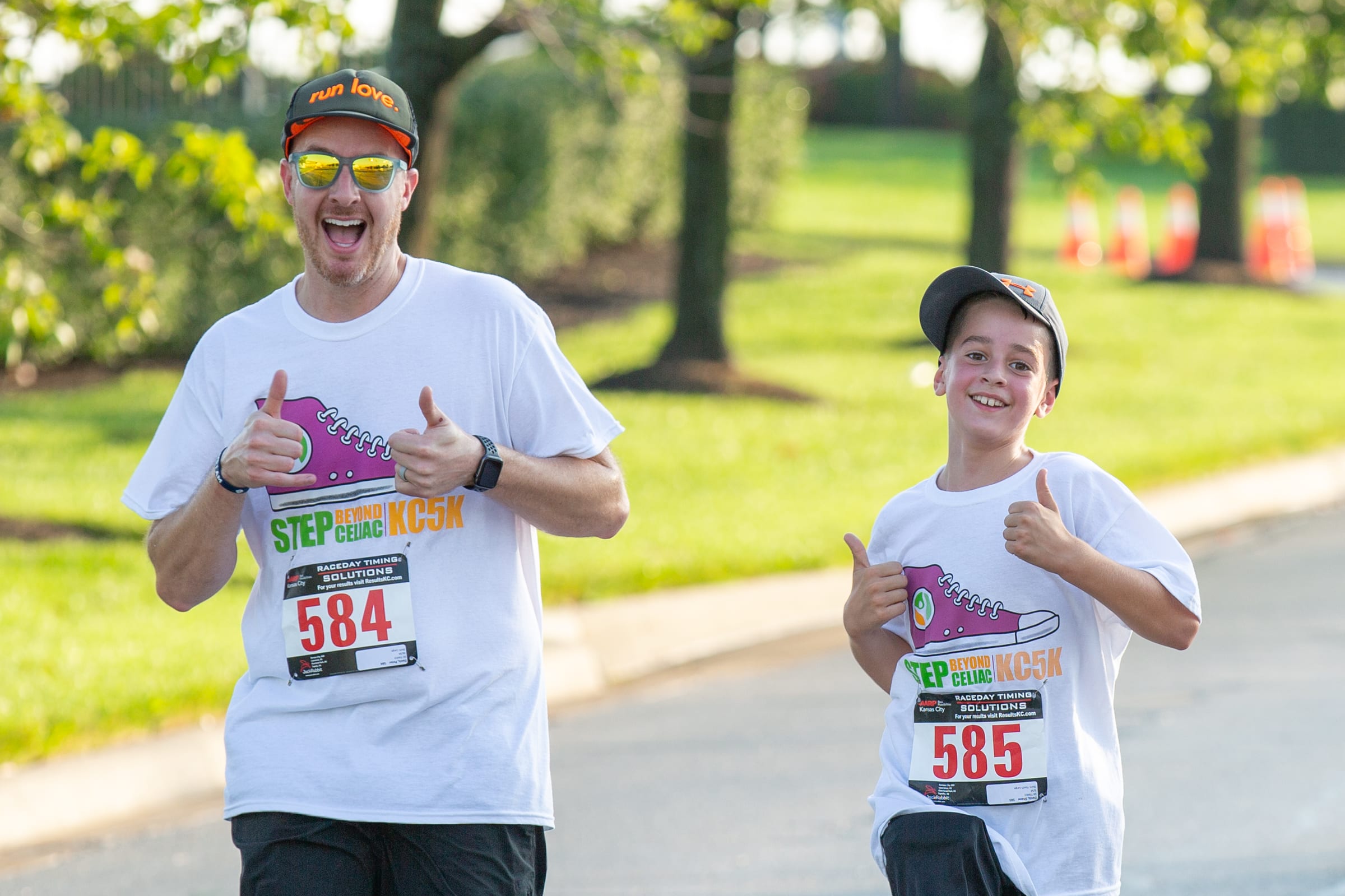 Join us on 10/12 in Dallas for the last Step Beyond Celiac 5K of the year! Step Beyond Celiac Events raise funds to support our research efforts. Register for DALLAS or the VIRTUAL 5K.

On November 15, Beyond Celiac is holding our 2nd research summit. The event, Getting over the Peak: The Final Ascent to Realizing Therapies in Celiac Disease, will bring together scientists, patients, FDA reps and more! Register for the free webcast.
Thank you to our Summit Gold Sponsor, Takeda.
Go Beyond Celiac Gala & Concert
 Please join us on October 24 for an unforgettable night of music and gluten-free dining benefiting Beyond Celiac! This year’s gala will pay tribute to Carole Haas Gravagno and will feature the Philadelphia debut of acclaimed operatic tenor and Beyond Celiac ambassador, Arturo Chacón-Cruz.
A huge thank you to our gala lead author sponsors:
- Anonymous
- Alice & Will Bast
- Janine & Kane Brenan
- Barbara & Bruce Powers
- The Snider Foundation
Raise Money for Beyond Celiac on Facebook!
 Happy birth-month to all our October-born readers! When your big day rolls around, consider “donating” it to Beyond Celiac so that we can help fund new research scientists in the celiac disease field! And a HUGE thank you to everyone who has created Facebook fundraisers for us this year!