
Celiac Disease: Facts and Figures
Basic Facts About Celiac Disease
Celiac disease is a relatively misunderstood autoimmune condition. A basic understanding of what causes the disease, how many people are affected, and other key data points helps combat misinformation and spread awareness.
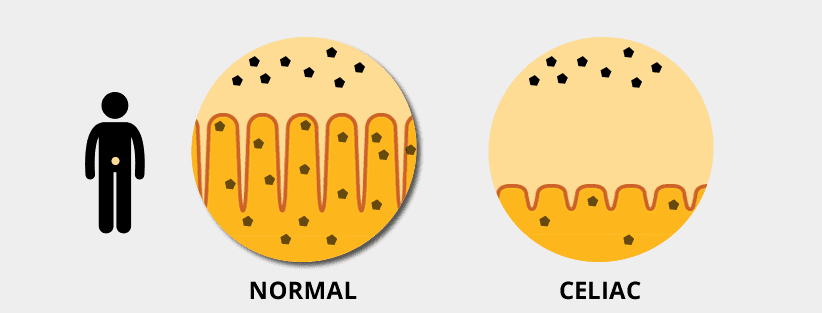
- Celiac disease is a serious genetic autoimmune disease that damages the small intestine’s villi and impairs the body’s absorption of nutrients from food.
- Celiac disease affects men and women of all ages and races.
- Celiac disease can lead to several other disorders, including infertility, reduced bone density, neurological disorders, some cancers, and other autoimmune diseases. Learn more about Related Conditions.
- One in five children with celiac disease isn’t healing on the gluten-free diet.
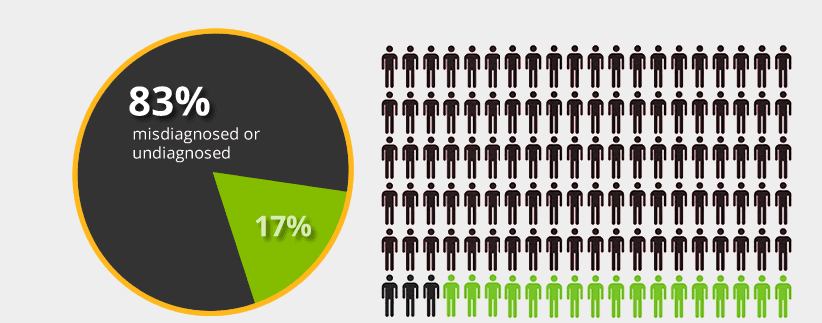
- It is estimated that up to 83% of Americans who have celiac disease are undiagnosed or misdiagnosed with other conditions.
- An estimated 1 in 133 Americans, or about 1% of the population, has celiac disease. However, recent screening studies point to potentially higher prevalence in the United States.
- A mass screening program of children in Italy found the prevalence of celiac disease to be 1.6%.
- In Finland, the prevalence of celiac disease has been estimated at 1.99% of the population.
- A 2020 study found the global incidence—or the rate of new cases worldwide— of celiac disease is “significantly” increasing. The authors say this “genuine increase [is] most likely due to environmental factors”
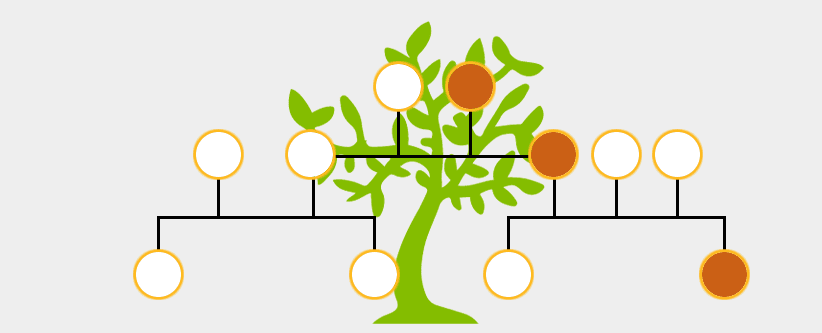
- It has been estimated that 5-22% of people with celiac disease have an immediate family member (first-degree relative) who also has celiac disease. However, a retrospective study by the Mayo Clinic found that 44% of screened first-degree relatives had celiac disease.
- 6-10 years is the average time a person waits to be correctly diagnosed. (Source: Daniel Leffler, MD, MS, The Celiac Center at Beth Israel Deaconess Medical Center)
- Up to 6% of Americans may have non-celiac gluten sensitivity.
- There are no pharmaceutical treatments or cures for celiac disease.
- A 100% gluten-free diet is the only way to manage celiac disease or non-celiac gluten sensitivity.