
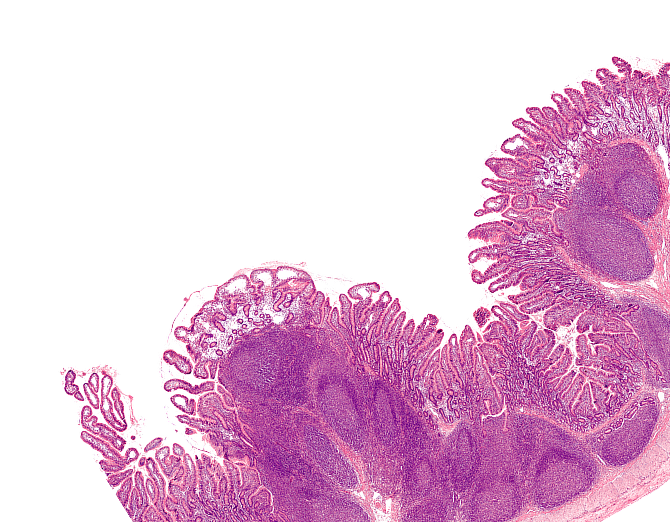
For Healthcare Professionals
As a healthcare professional, you play a critical role in helping close the diagnosis gap in celiac disease.
Celiac disease is a serious, genetic, autoimmune disease affecting people of all ages, races, ethnicities, and genders. It affects an estimated 1% of Americans, many of whom are underdiagnosed.
Un- or misdiagnosed individuals with celiac disease are at risk of developing:
Anemia
Certain cancers
Infertility
Osteoporosis
And more…
Make a positive impact on those with celiac disease. Use simple testing protocols and be aware of unconscious biases when screening for it. Your actions can lead to early detection and better care, improving lives and fostering a compassionate community.
Here are some things that may make a difference:
Celiac disease is a serious autoimmune condition triggered when a person eats gluten. Learn about symptoms, diagnosis, treatment, and living gluten-free.
- Understand it is necessary to remain on a gluten-containing diet prior to being fully tested for celiac disease and communicate this to patients.
- If any symptoms of celiac disease are present, screen appropriately!
- Understand that TtG blood tests alone may not be accurate in testing for celiac disease in adult patients (especially in adult Black patients). A negative Ttg test does not automatically rule out celiac disease.
- Ask questions to better understand your patient and the symptoms that may be affecting their lives.
- Some patients feel dismissed by their providers or are embarrassed to talk about their gastrointestinal symptoms.
- Recognize unconscious bias in yourself and in your office.
- Provide all patients with respectful care.
Fast Facts for Providers
Celiac disease is an autoimmune disease.
There is currently no cure and the only treatment is a lifelong gluten-free diet.
However, there are a number of potential treatments in clinical trials.
Patients with T1D or certain genetic conditions like Down syndrome should be screened.
First-degree family members should be tested for celiac disease.
People can have celiac disease without knowing it or showing “typical” symptoms.
Some with celiac disease have no symptoms.
Some patients are obese or overweight at diagnosis.
Patients can not outgrow celiac disease.
A negative test does not mean that a patient can’t develop celiac disease in the future.
Dentists should screen patients who have enamel defects and recurrent canker sores for celiac disease.
Race, age, gender, or weight should not determine whether or not someone is screened.
Celiac Disease Resources for Providers
The following resources are provided by Beyond Celiac as part of our mission to increase diagnosis rates and accelerate a cure for this serious disease.

Symptoms of Celiac Disease
There are more than 250 known symptoms of celiac disease (many of which are not GI-related). Due to the wide variety of symptoms that may present themselves, it can sometimes be difficult to diagnose celiac disease.

Screening Procedures
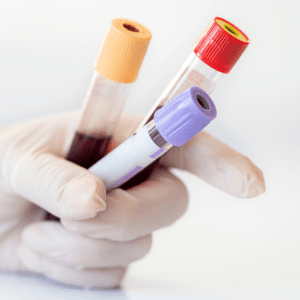
Screening starts with antibody serology tests. If positive, they are followed up with an endoscopy to confirm diagnosis. Genetic testing can also help rule out celiac disease. It is important that patients not start a gluten-free diet prior to testing.
Management of Celiac Disease
Recommended regular healthcare follow-up information for patients.

The Latest in Research
Beyond Celiac shares the latest in research on celiac disease and gluten sensitivity.

Health Equity in Celiac Disease
Beyond Celiac is dedicated to finding treatments and a cure for celiac disease, and part of that effort is focused on reducing disparities, both in diagnosis and access to resources.
Clinical Trials in Celiac Disease
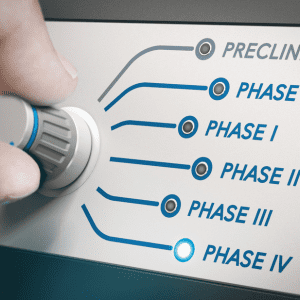
Have patients interested in being a part of finding treatments and a cure for celiac disease? Direct them to our clinical trials page which has the latest info, a trial matching tool, and more.
Informational Videos
Shareables and Downloads
Help spread awareness and educate fellow healthcare providers by downloading Beyond Celiac shareable materials and sharing them through your networks. If you have questions or would like to get involved, contact us at [email protected].